
An In-Depth Look at HipHopPanda: The Musical Journey in Gaming
Explore the vibrant world of HipHopPanda, a captivating game that combines rhythm and strategy with an intriguing storyline.


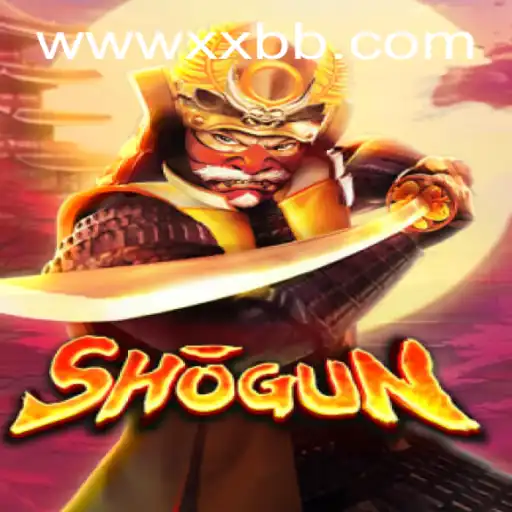
Shogun is an immersive strategic board game that transports players to the era of feudal Japan, where samurai warriors, strategic conquests, and political intrigue define the battlefield. This game not only challenges players' tactical acumen but also captivates them with its rich historical and cultural backdrop. As a new player steps into the world of Shogun, understanding the rules becomes crucial for mastering this complex and engaging experience.
The allure of Shogun lies in its ability to recreate the political and military struggles of late-16th-century Japan. Players assume the role of Daimyos or powerful lords, vying for control over the war-torn territories. The objective is to accumulate the most power and prestige, eventually securing the coveted title of Shogun. This requires deft management of resources, strategic troop placements, and the execution of military tactics. Shogun offers a unique combination of strategic planning akin to a game of chess, with a dynamic battlefield influenced by the unpredictability of war.
Feudal Japan was a period marked by rival clans seeking dominance over the archipelago. The position of Shogun was one of immense authority, commanding the military forces of the nation. The game draws heavily from this rich historical tapestry, incorporating elements of territorial expansion, ninja intrigue, and the construction of fortresses and temples. This historical setting provides players not only with a compelling narrative but also a robust framework for strategic gameplay.
Shogun is designed for two to five players, each representing a different clan. The game board is a map of Japan divided into provinces, each with unique attributes that players must consider during expansion. Each turn is divided into a number of phases, each requiring careful decision-making.
1. **Preparation Phase:** Each player receives resources, which include rice, gold, and new troops. Careful management of these resources is essential as they directly impact the ability to wage war, placate the peasantry, and build fortifications.
2. **Action Phase:** Players plan their actions secretly using a planning board. Actions include invading other provinces, defending current territories, harvesting rice, or building castles—all critical to maintaining power within the game. This phase embodies the strategic forethought required to mitigate risks and exploit opportunities.
3. **Event Phase:** A unique aspect of Shogun involves unpredictable events that can alter the course of gameplay. These events include peasant revolts, technological advancements, or the sudden arrival of foreign traders, adding an element of surprise and recalibration.
4. **Resolution Phase:** After declaring actions, the resolution phase determines the outcomes of battles, expansions, and resource collections. Combat is resolved using a cube tower mechanic, introducing an element of chance. Players must balance aggression with adaptability as unforeseen outcomes can shift the balance of power.
The path to becoming Shogun is fraught with challenges and strategic choices. Players accumulate victory points through territory control, successful battles, and the completion of missions reflective of samurai honor and cunning. The game encourages alliances and negotiations, reflecting the diplomatic finesse often required in historical contexts.
The winner, the player with the most victory points at the end of the final round, becomes the Shogun. This is not just a testament to their warfare skills but also their diplomatic prowess and strategic foresight.
In today's world, where international relations often mirror the shifting allegiances and strategies seen in Shogun, the game offers relevant lessons in leadership and negotiation. As countries navigate complex global issues, the strategic lessons drawn from Shogun resonate even among those not steeped in its specific history. The recent global events have highlighted the necessity of strategic planning and adaptability—key elements in a successful Shogun campaign.
XXBB.COM and other digital platforms have brought board games like Shogun to the digital realm, allowing new players worldwide to explore strategies and build communities based on shared interests in historical and tactical games. As technology continues to impact traditional gaming, Shogun remains a revered title that bridges historical study with modern strategic thinking.
If you're looking for a reliable, fully licensed, and secure sportsbook with a wide selection of games, XXBB.COM is the perfect choice. We're committed to providing you with the best online betting experience, with premium quality, excellent service, and continuous innovation. Sign up now and receive ₱777 for free!
Join now
Get the latest information, experience and betting strategies from the expert team at XXBB.COM.
Explore the vibrant world of HipHopPanda, a captivating game that combines rhythm and strategy with an intriguing storyline.

Discover the captivating world of LuckyDog, a thrilling game that intertwines strategy, luck, and a touch of today’s events. Get to know how players dive into this virtual realm for an engaging gaming experience.
Explore the mystical realm of TheLlamaAdventure, a captivating video game intertwined with current events and strategic gameplay.

Explore the captivating game Caribbean Queen, its intriguing mechanics, and gameplay rules, while connecting with the digital zeitgeist of today's gaming culture.

Explore the captivating universe of RocketStars with our detailed guide on its gameplay, features, and rules, along with insights into its connection with the keyword XXBB.COM.

Delve into the captivating world of BeautyAndTheKingdom, where strategy and fantasy collide. Explore game mechanics, introductions, and rules in this comprehensive guide.
 Join now